Address
Pittsburgh, PA
Work Hours
Monday to Thursday: 9AM - 5PM ET
Friday: 9AM -1PM

Address
Pittsburgh, PA
Work Hours
Monday to Thursday: 9AM - 5PM ET
Friday: 9AM -1PM
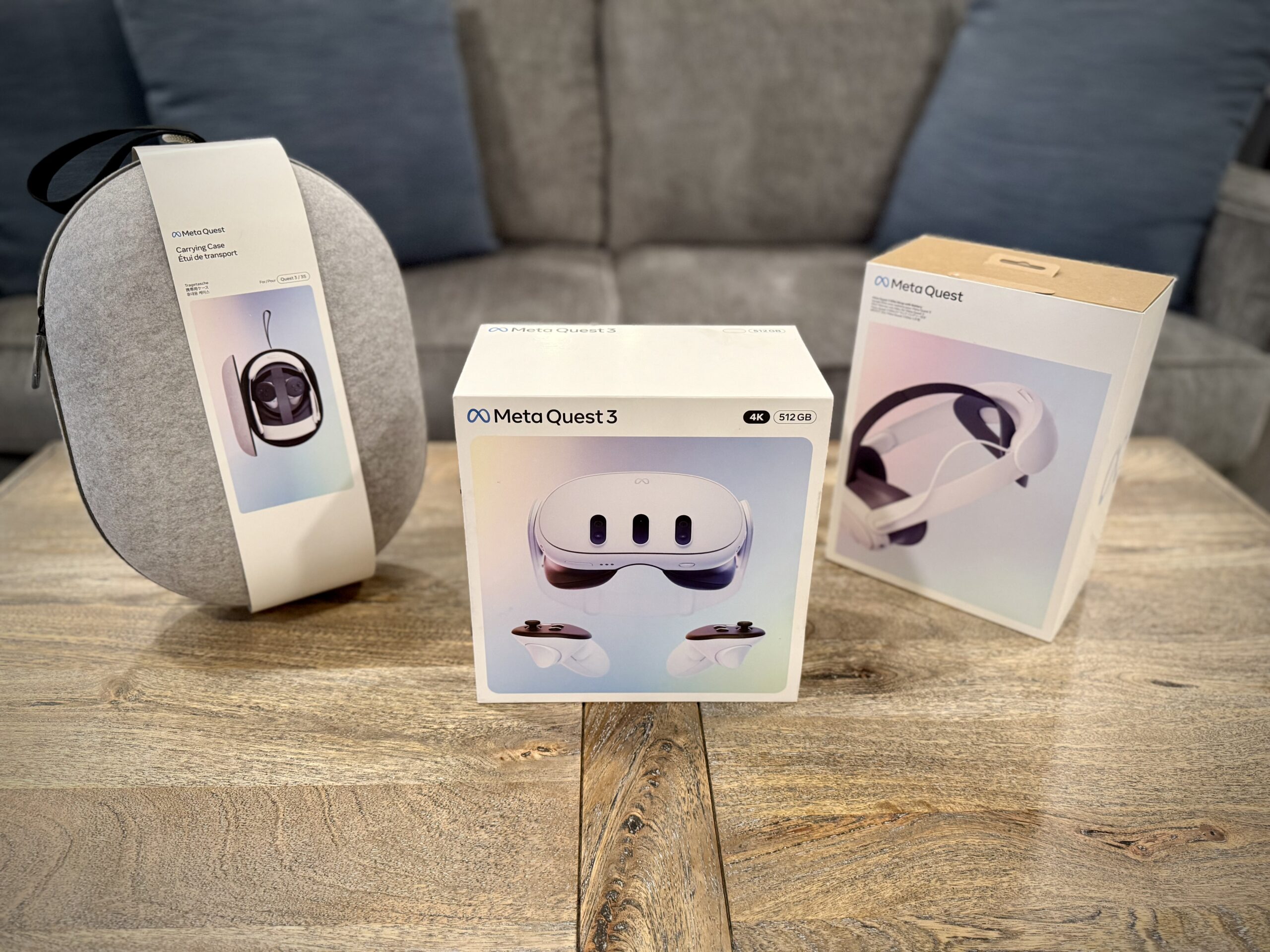
This isn’t a spec review or a first-impressions take. It’s a lived-in account of what it’s like to bring something new into your home, use it in real conditions, and notice the small moments where it either earns trust or creates friction.
Over the past 7 days, I paid close attention to setup, materials, daily use, and the quiet design decisions that only surface over time. Some of them surprised me. A few of them broke expectations in ways I didn’t anticipate.
What makes this worth documenting is that there’s new territory here. New assumptions. New interaction patterns. If you’re designing products for people, especially products that sit at the edge of what’s next, experiences like this help build intuition you can’t get from specs or demos alone.
This is that story.
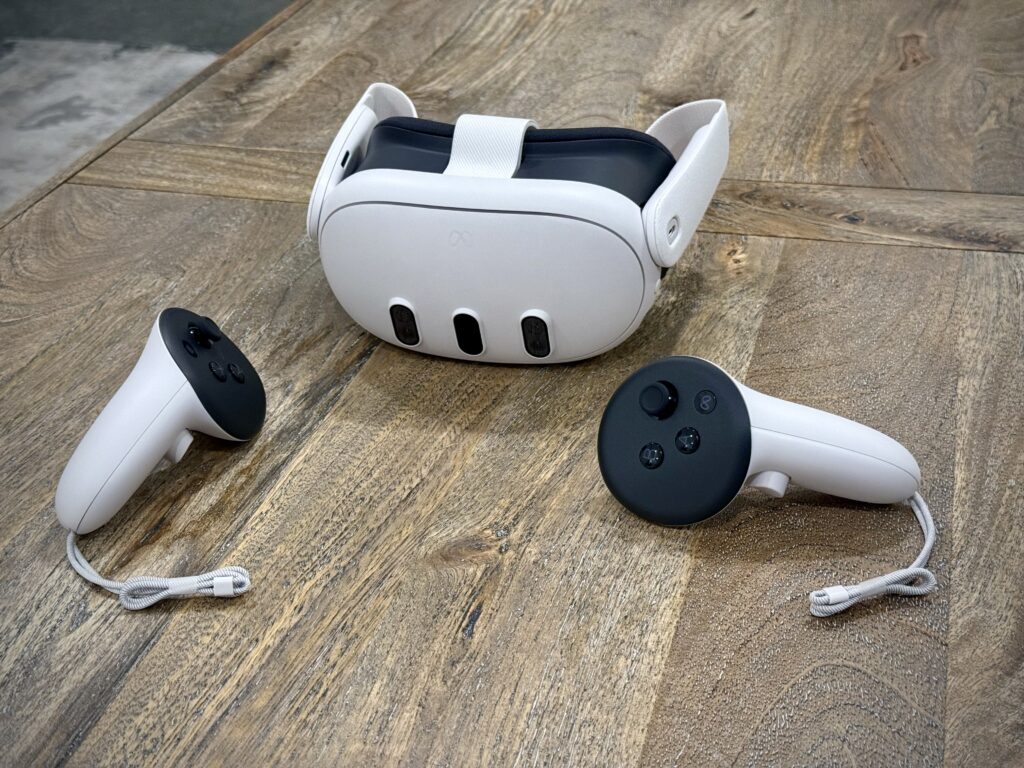
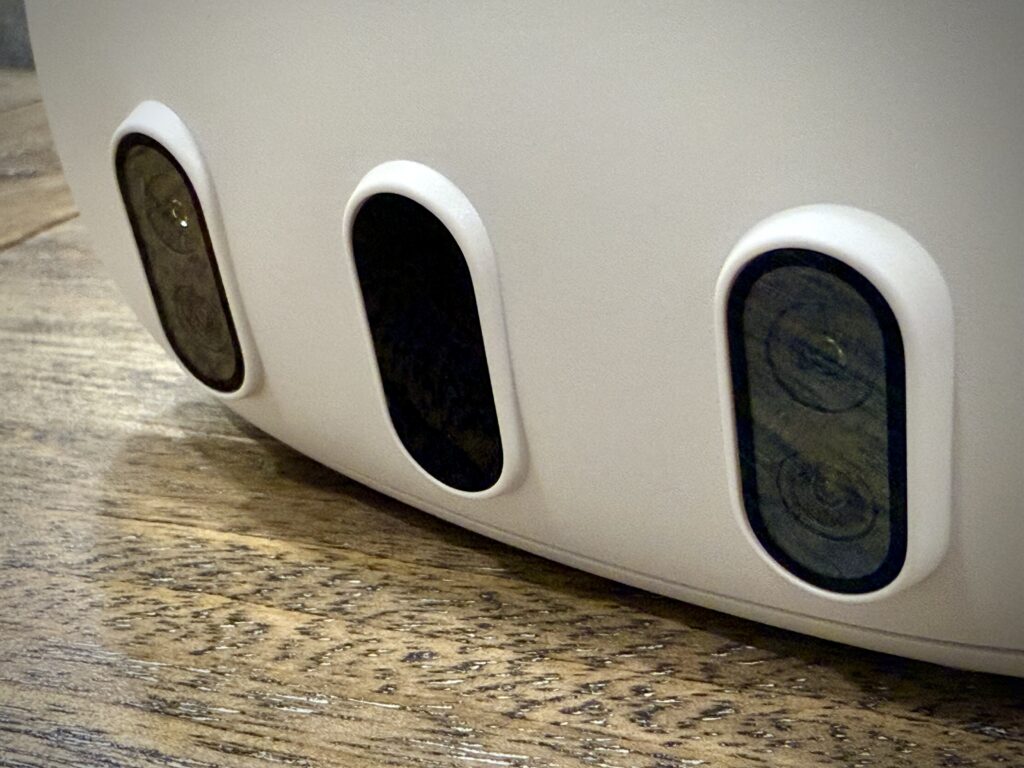
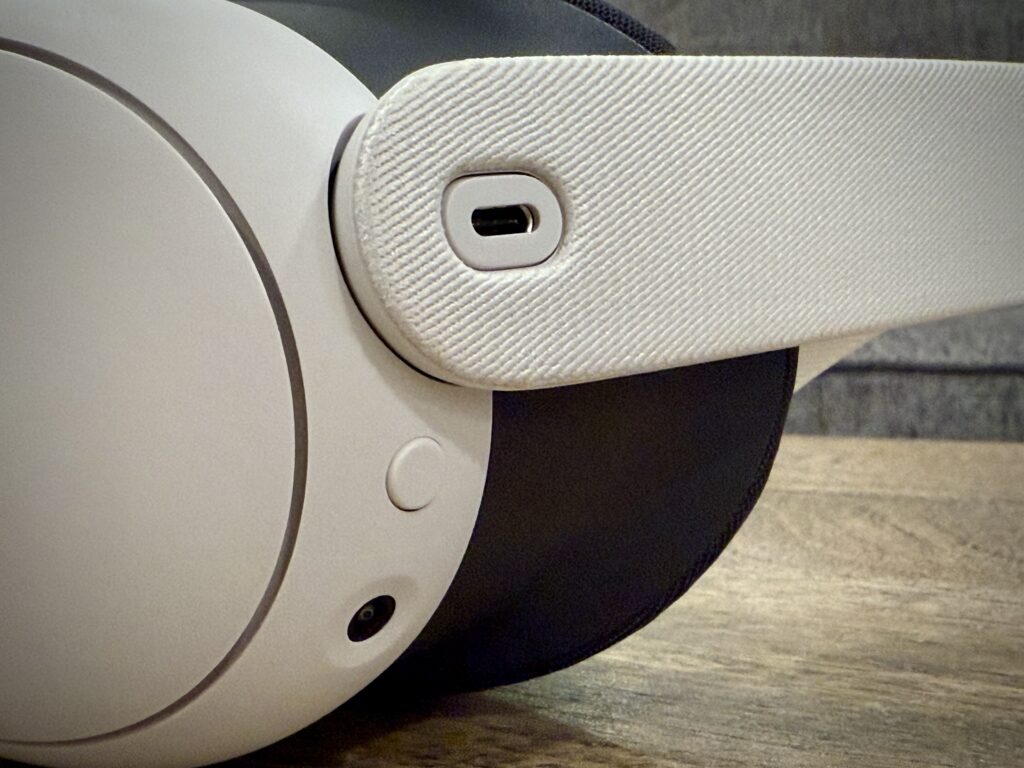
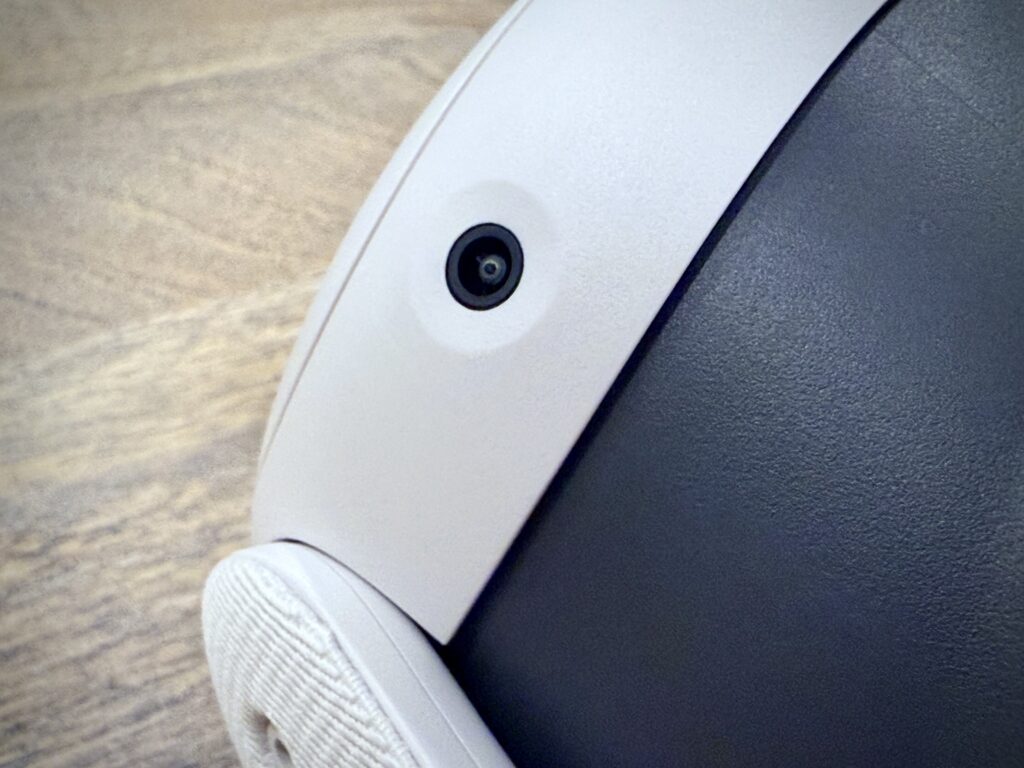
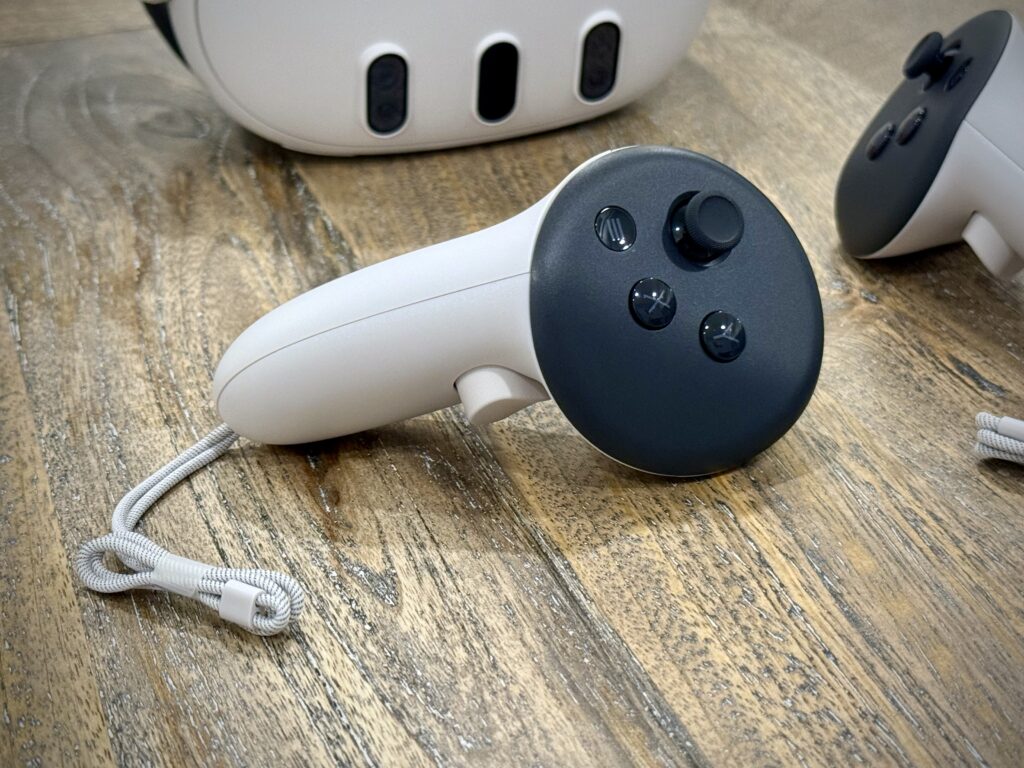
Before even putting the headset on, I noticed something important. Spatial computing demands intention.
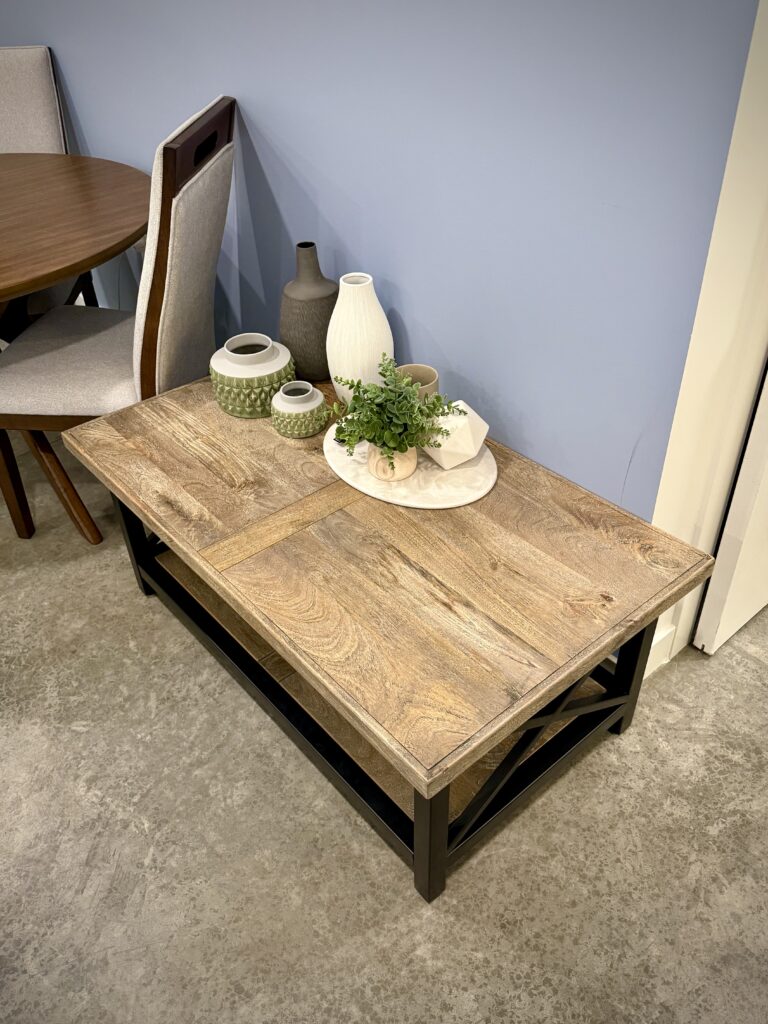
Clearing the room felt more like preparing a studio than unboxing a gadget. The rug became a boundary. The empty space became a canvas. Anything deemed “breakable”, was carefully moved to the side.
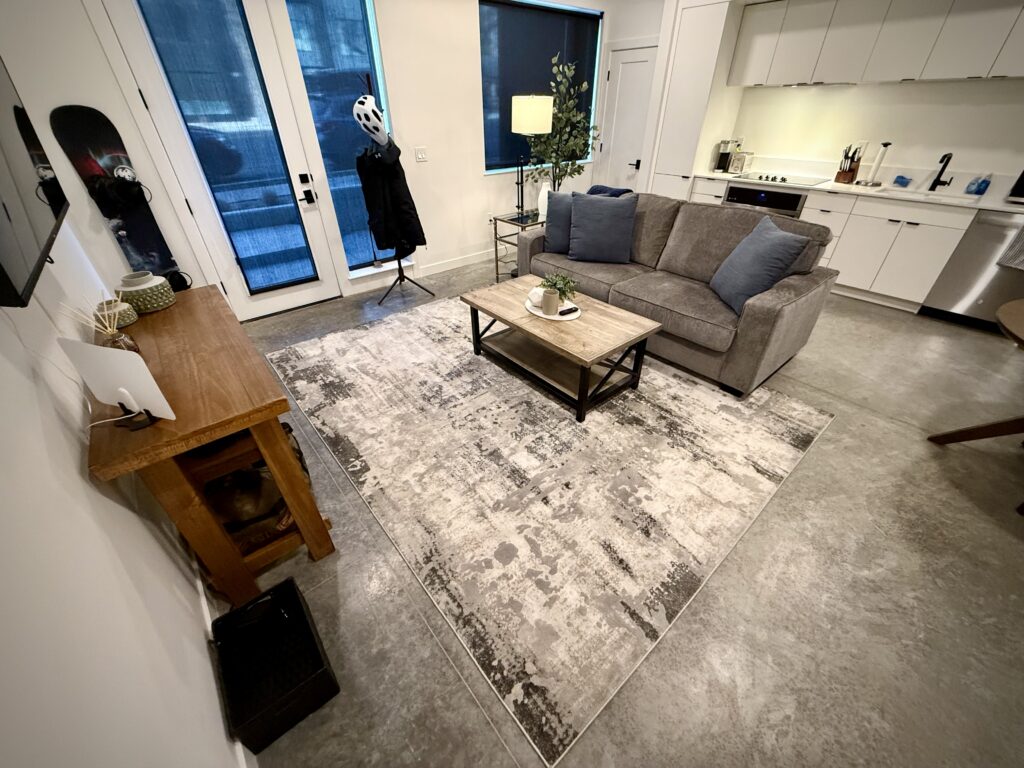
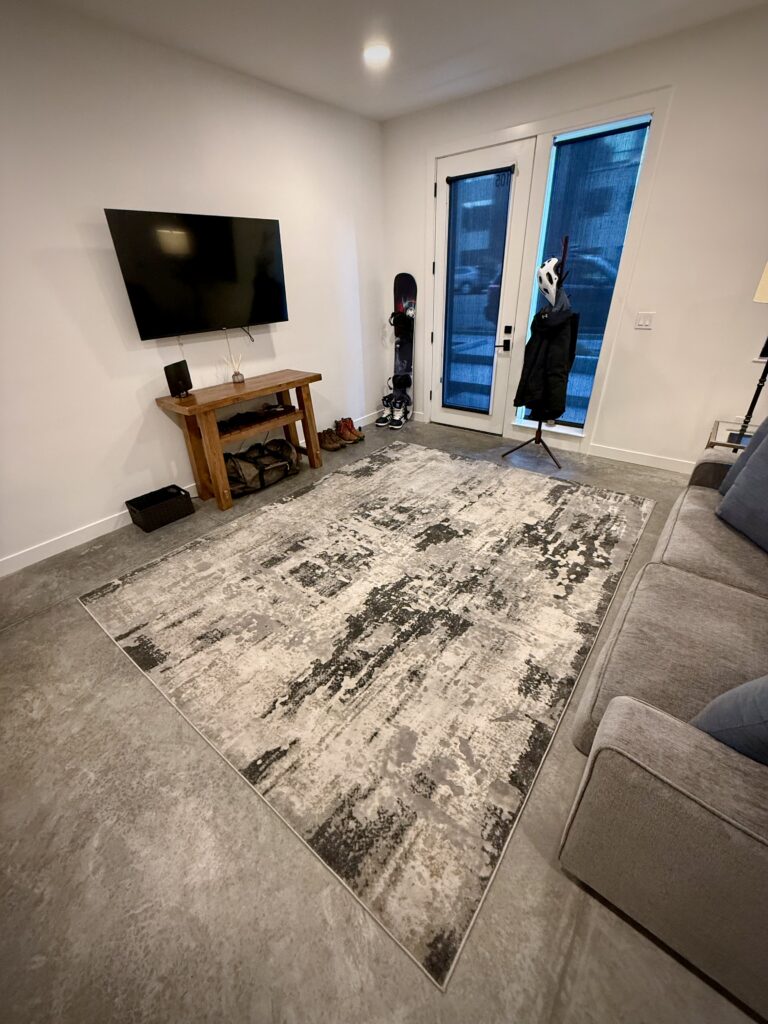
One small but important note for fellow glasses wearers. I wear fairly large, unapologetically nerdy glasses, and I was genuinely relieved to see that Meta thought this through. They just barely fit, but once I had the headset on, they were comfortable, didn’t press awkwardly, and most importantly, didn’t fog up. It’s a subtle design choice, but it goes a long way toward making the experience feel considered rather than compromised.

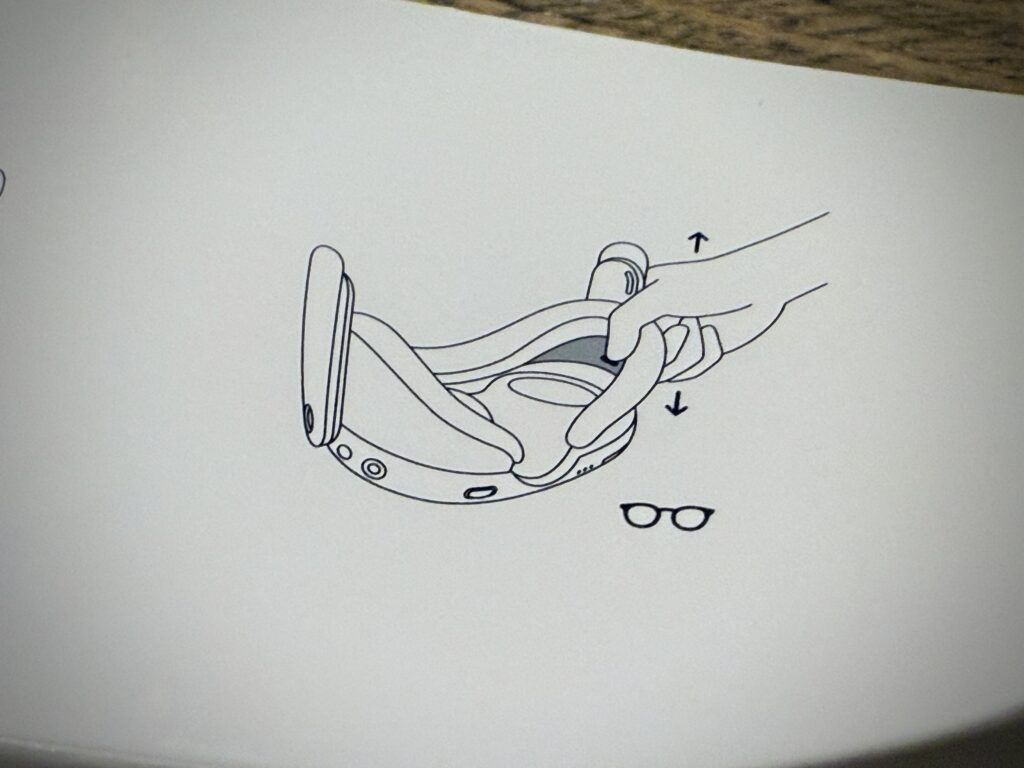
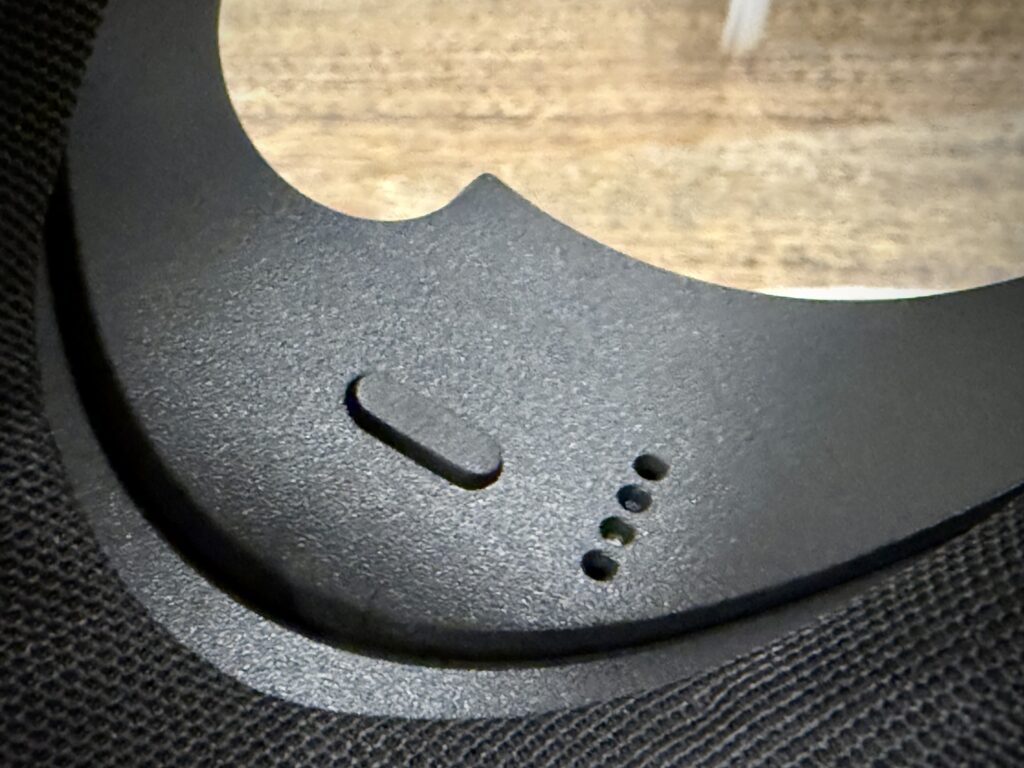
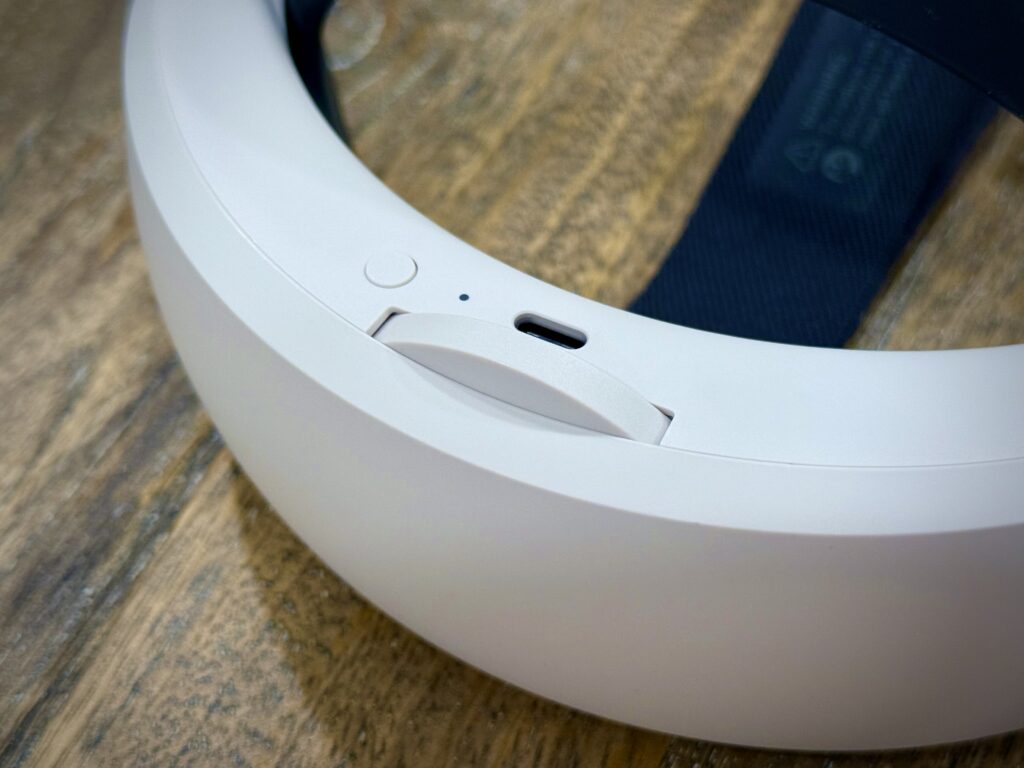
The Meta Quest Elite Strap with Battery balanced the headset better than I expected. The added weight in the back counteracts the front load in a way that feels intentional, not bulky, and it noticeably reduced pressure on my face and forehead.
Once adjusted, it stayed put without needing constant readjustment, even when I moved around. It doesn’t disappear completely, but it shifts the experience from “wearing a device” to something closer to being settled into it, which matters more than I thought it would.
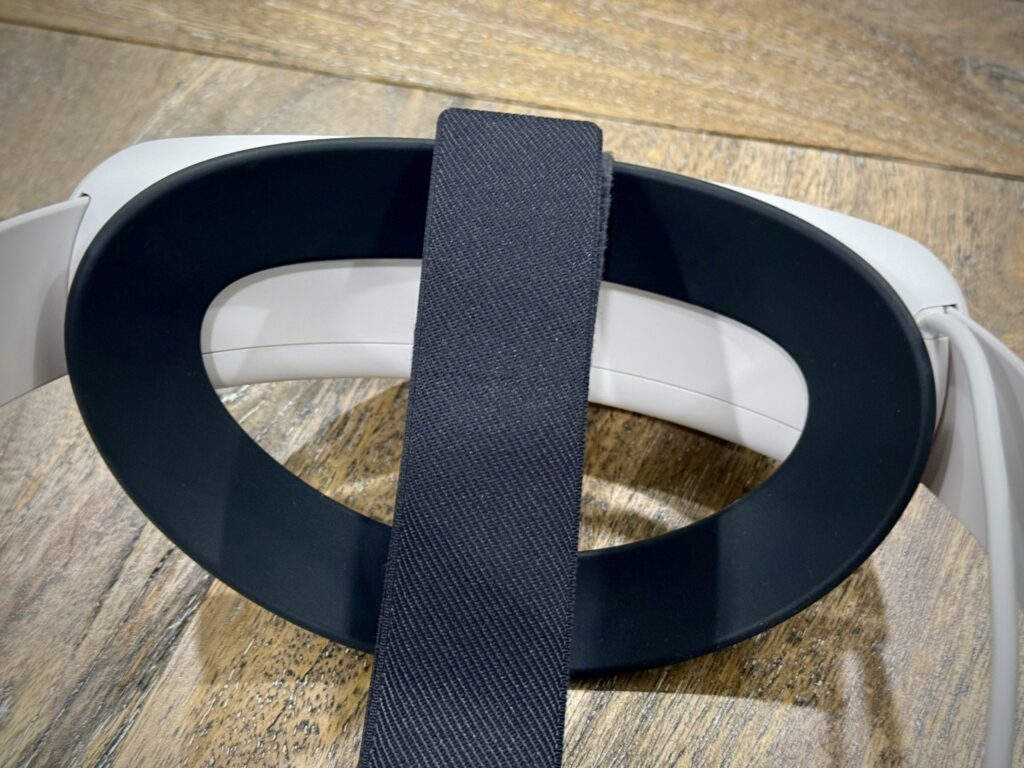
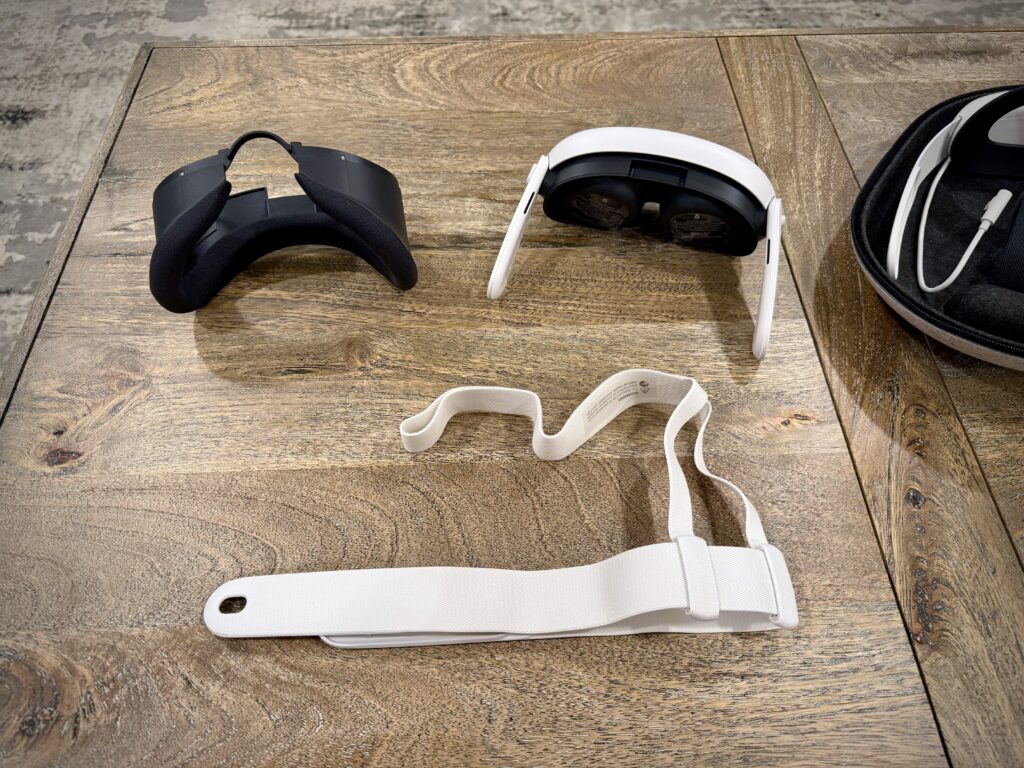
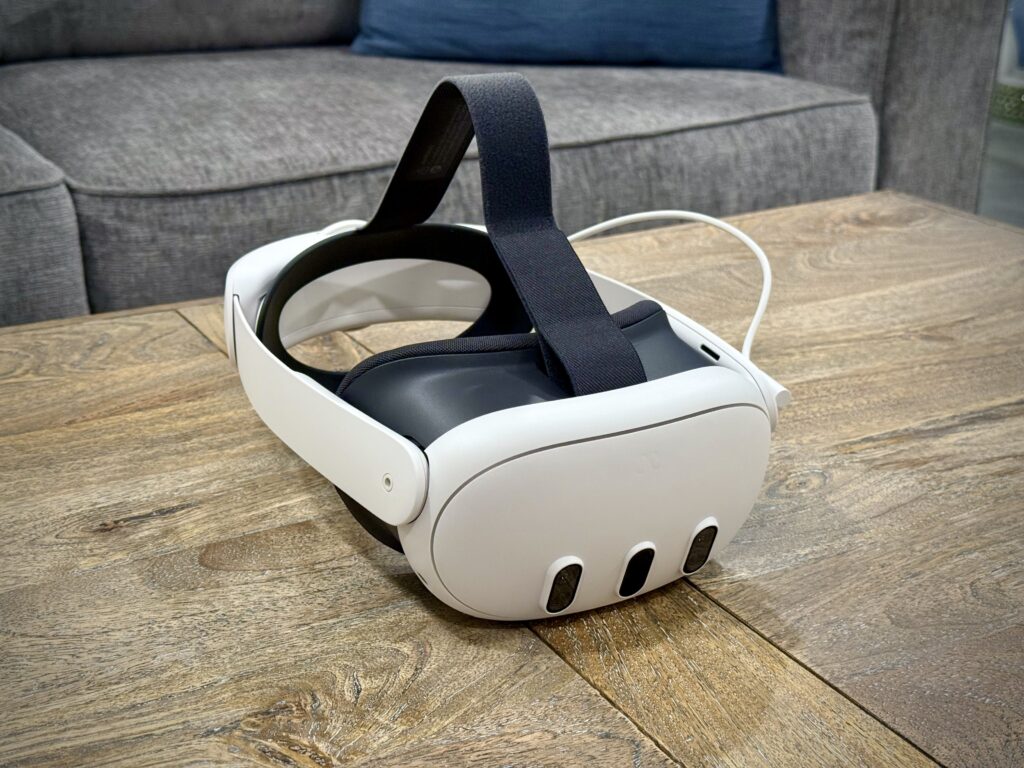

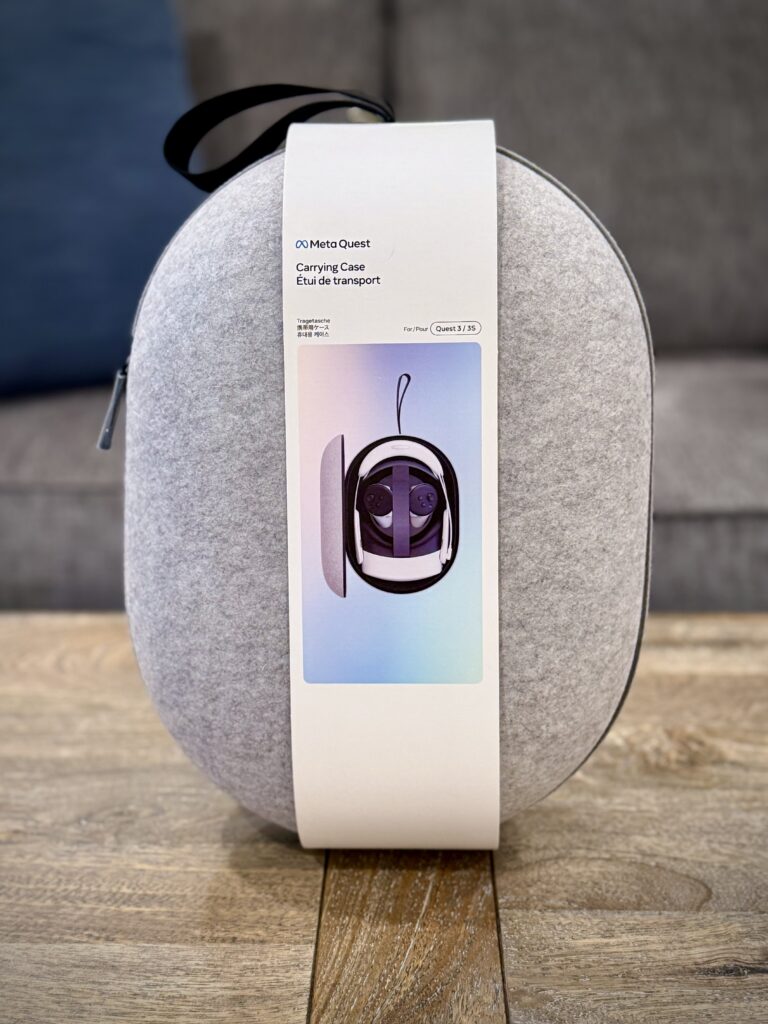
The Meta Quest 3/S Carrying Case is refreshingly minimal. It’s lightweight, modern, and does exactly what it needs to do without trying to be flashy or overdesigned. Everything fits securely, the structure feels protective without being bulky, and the built-in carrying strap makes it easy to grab and go. I didn’t need anything bejeweled or overengineered here. This works, and it works well.
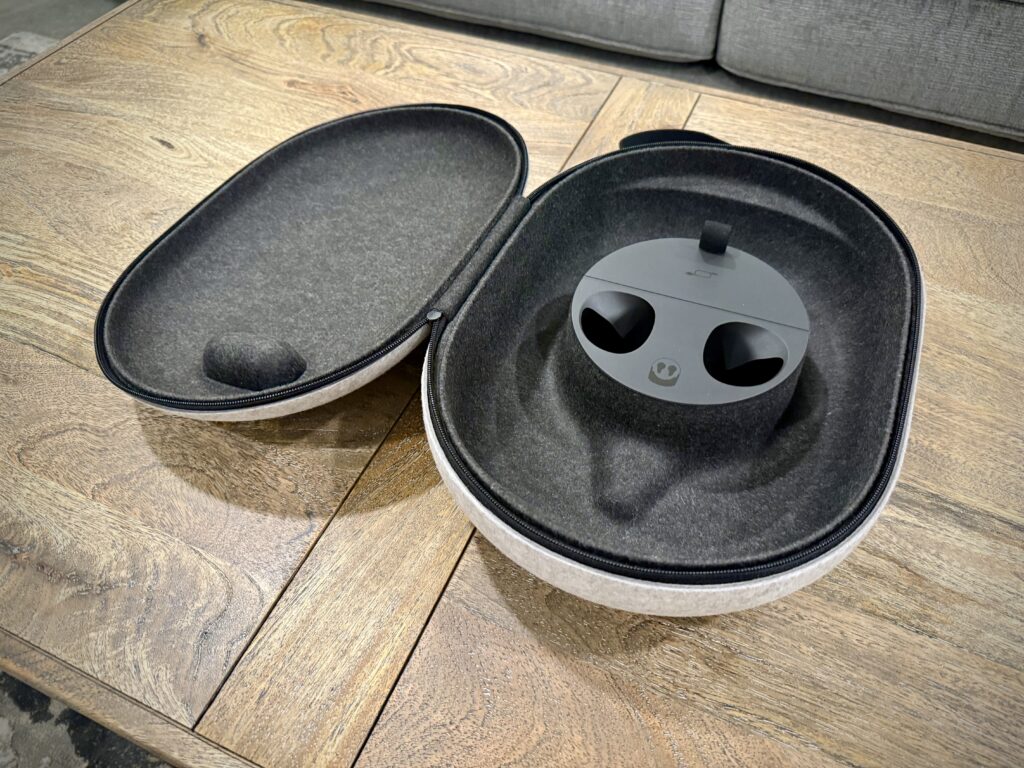
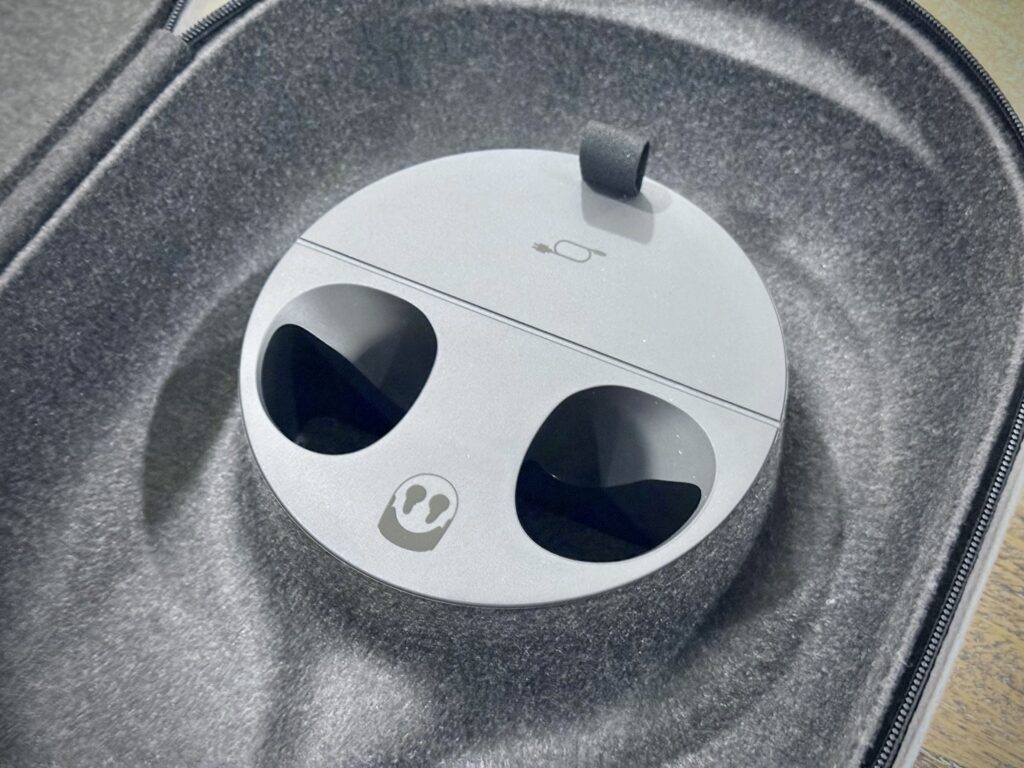

The first few minutes were subtle. Menus floating in space. Depth that feels obvious once you experience it, but hard to explain to someone who hasn’t. It’s much akin to a sci-fi movie -think Minority Report.
Then I turned on the immersive VR and presence clicked. A little motionsickness at first, but then presence.
Not novelty. Not graphics. Presence.
This is not a lean-back device (looking at you XBox). It asks you to show up with your body. Your brain accepts the space faster than you think. You stop asking “how does this work?” and start reacting instinctively.
Leaning. Reaching. Turning. Trusting.
That is the real unlock.

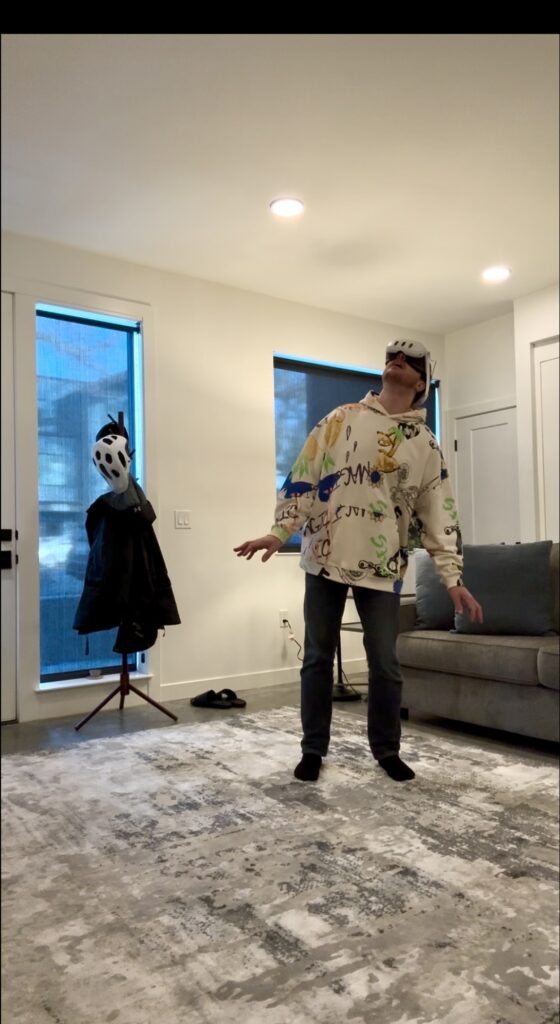
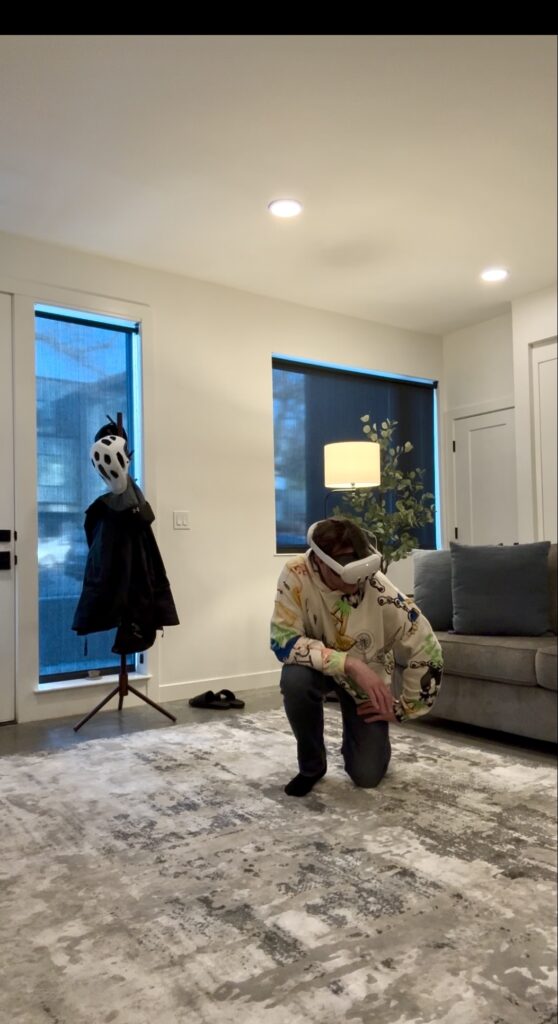
Caption: It took me six attempts to walk the plank. At one point, I was gripping the floor. Lol.
I intentionally queued up experiences that test the body, not just the eyes.
Walk the Plank does something fascinating. It exposes how deeply perception and balance are wired together. Even knowing you are safe, your body hesitates. Your feet adjust. Your breathing changes.
This is not immersion through realism. It is immersion through consequence. Your brain believes just enough. If you’re anything like me, you may experience a full-on panic attack. Woah!
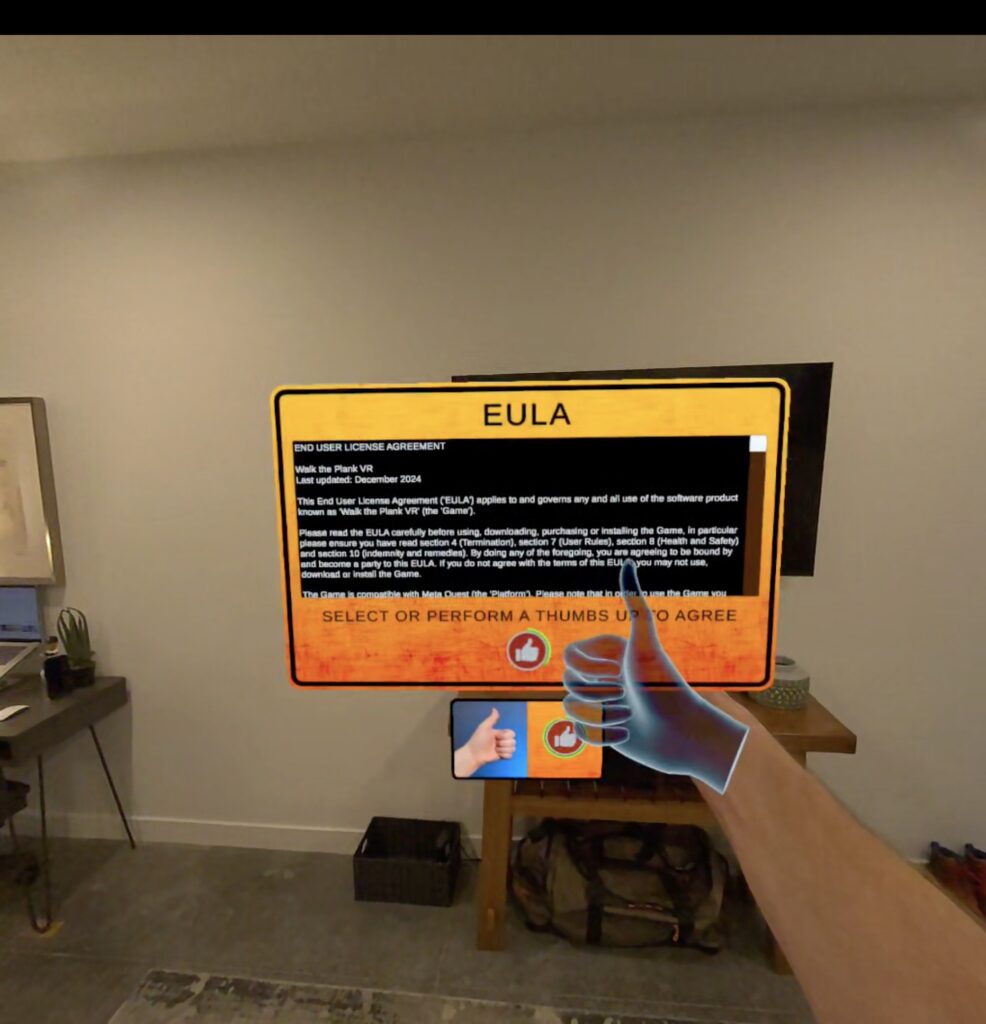
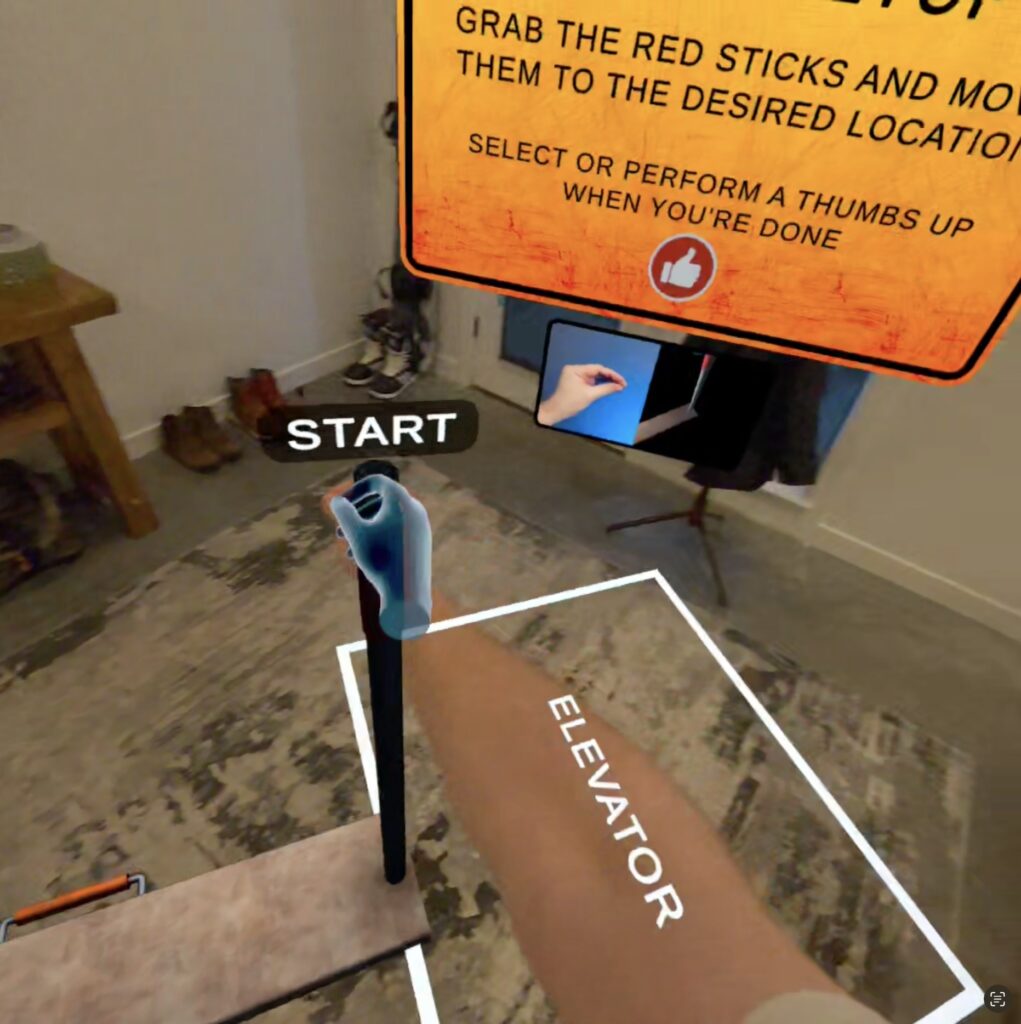

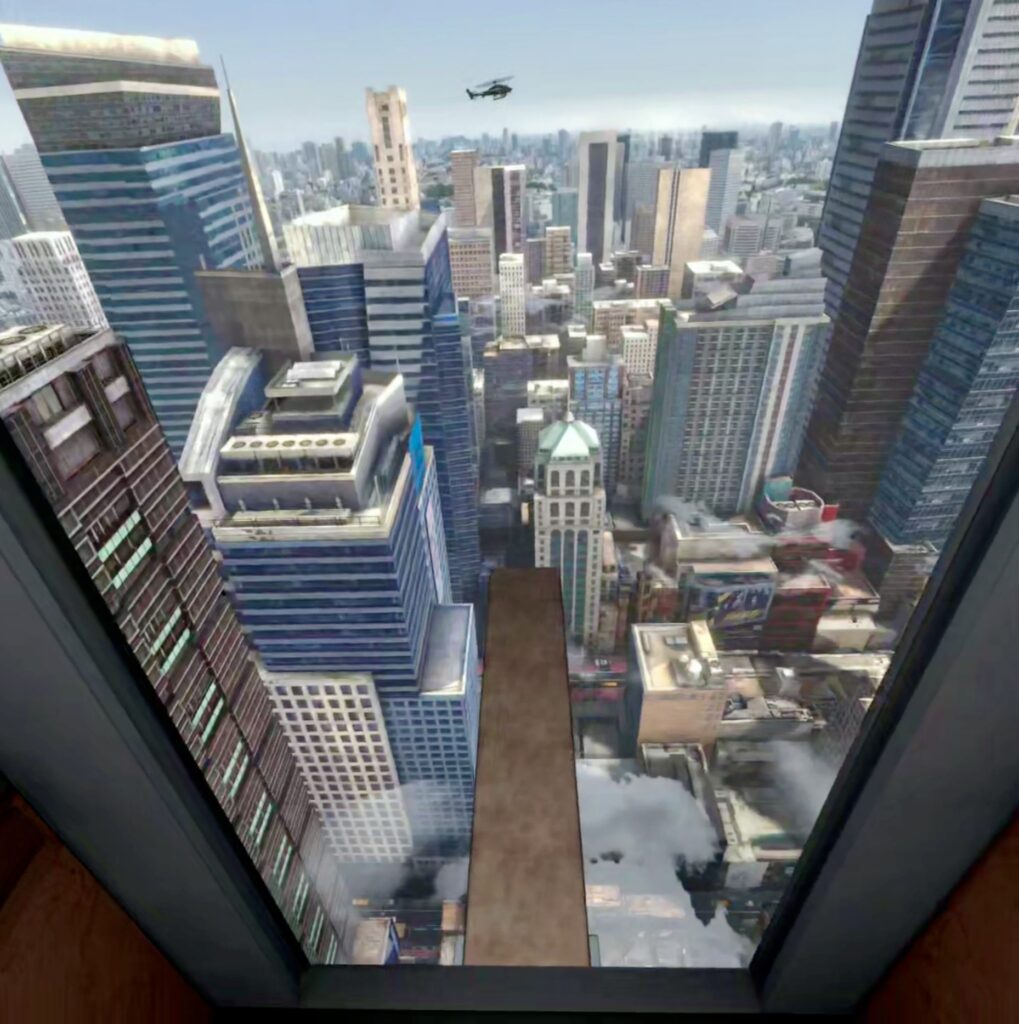
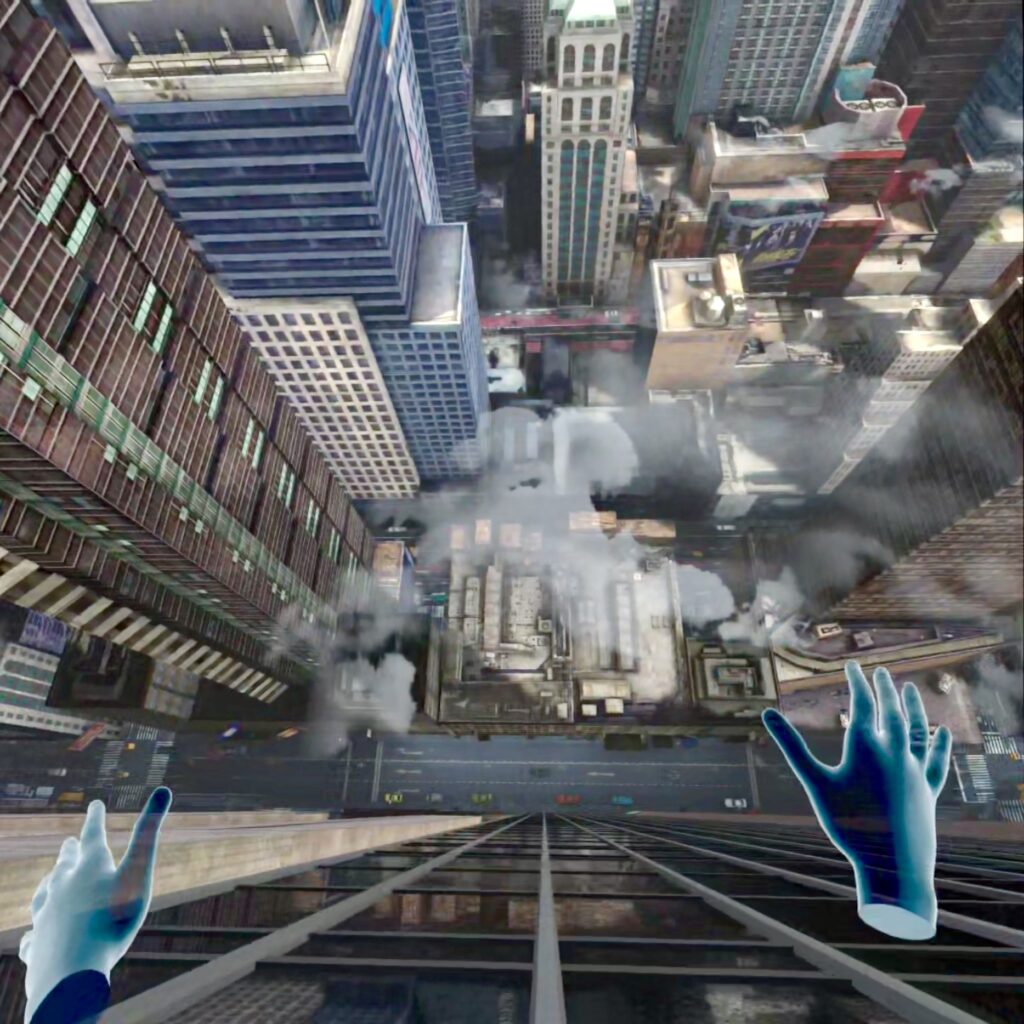
Caption: Dear neighbors, sorry about the screaming and thanks in advance for understanding <3
I spent time with Resident Evil 4 and PGA Tour Golf Plus, and they highlighted two different strengths of the platform.
Resident Evil 4 proves that embodied interaction amplifies tension and agency. Reloading, aiming, and reacting with your whole body makes familiar mechanics feel new again.
PGA Tour Golf Plus does something quieter. It shows how spatial interfaces shine when precision, rhythm, and muscle memory matter. The swing feels intentional. The environment feels calm. It is less about spectacle and more about flow.
Both experiences point to the same truth. VR is not about escaping reality. It is about engaging more of yourself.

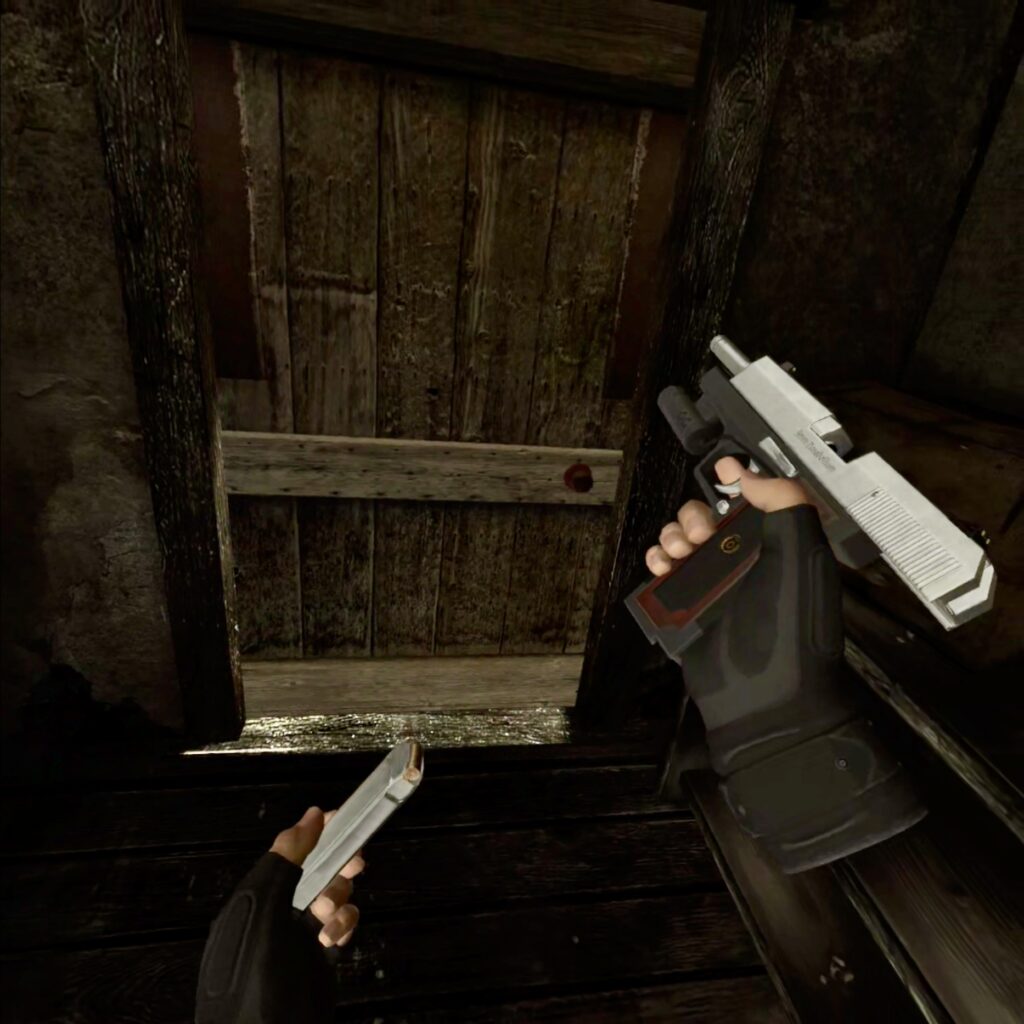
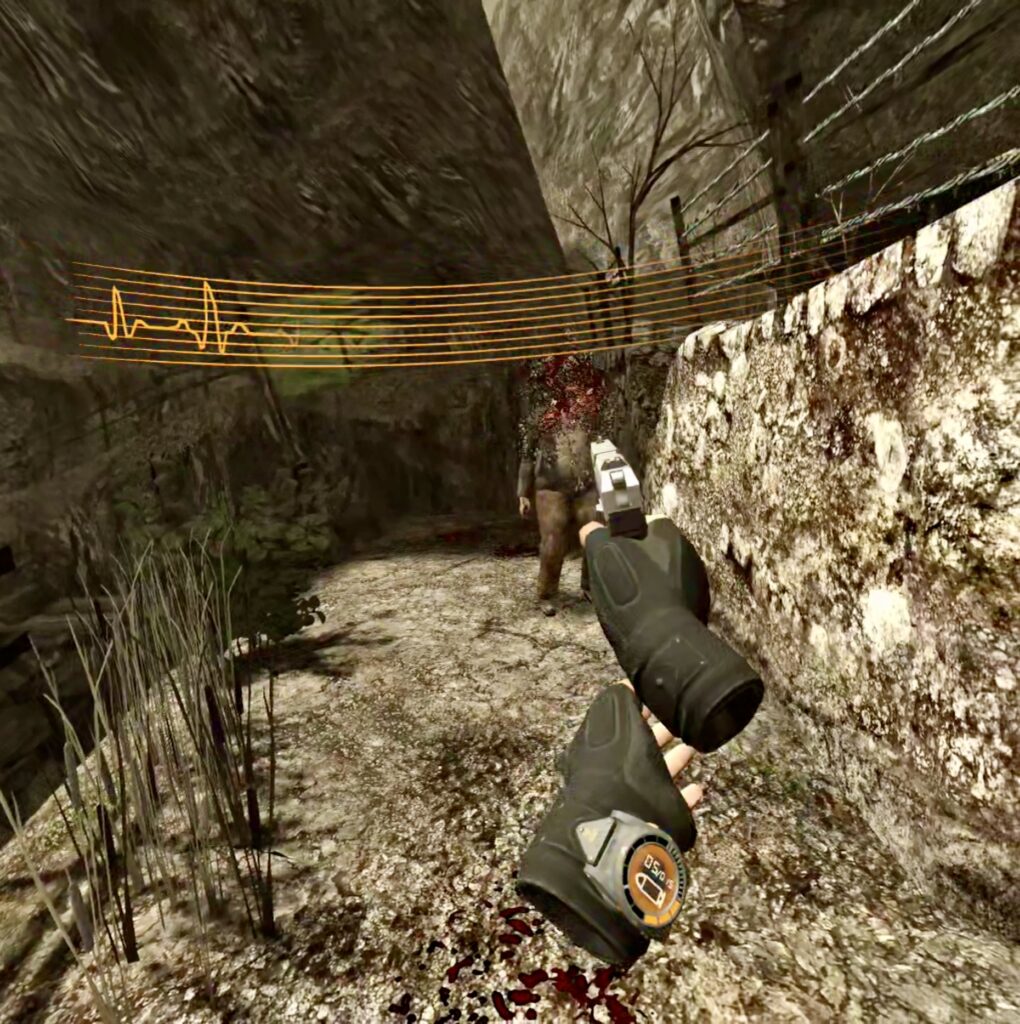


Caption: It’s all fun and games until one of these things grabs you from behind -look out!
I also explored web browsing and video playback. This is where things still feel early, but promising.
Windows float. Screens scale. The idea of space as an interface starts to make sense, even if the execution is still catching up. You can see the direction clearly. Information is no longer trapped in rectangles. It occupies volume.
This is not the end state. It is a preview.
Perhaps one of my favorite features, you can leave screens in different rooms, on different walls, etc. I even left one in the fridge to remind me to meal prep. It’s a novelty at this point but I could see this having more gravity in the future.
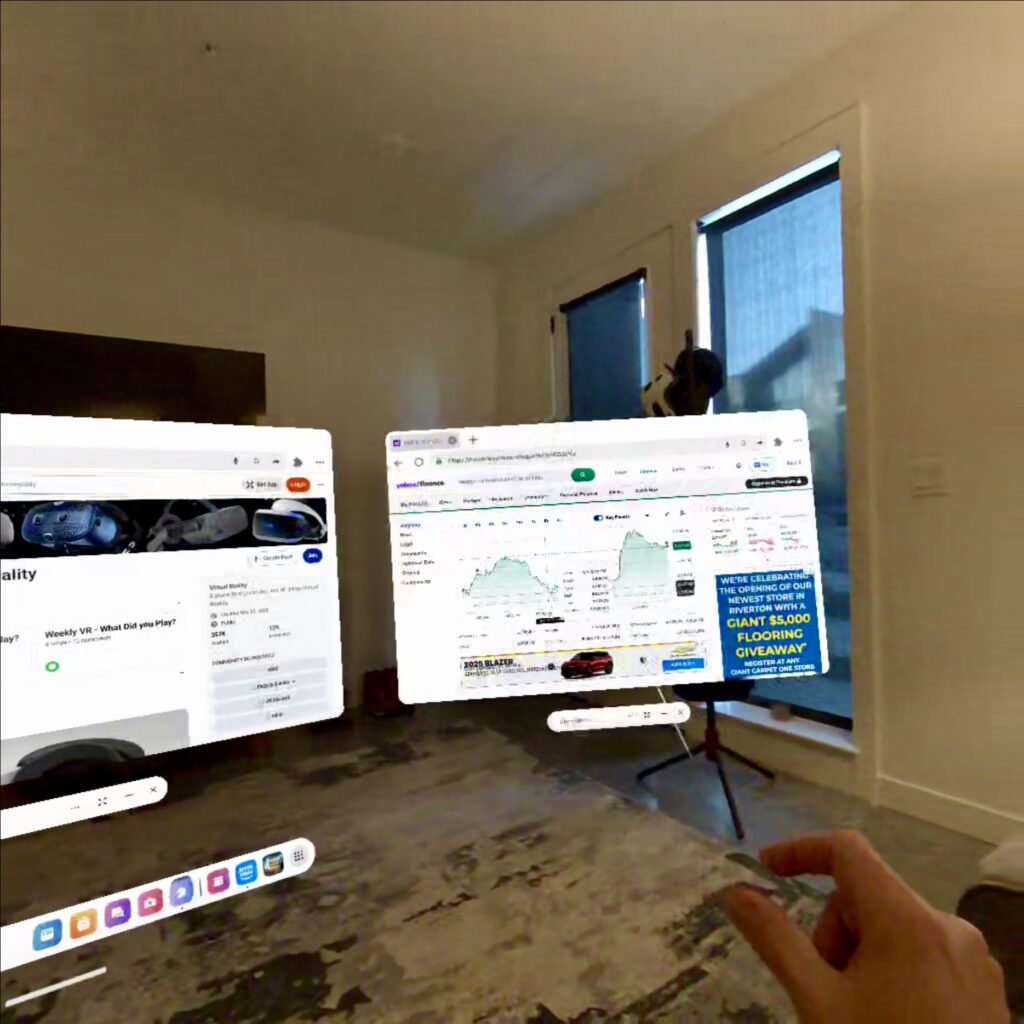

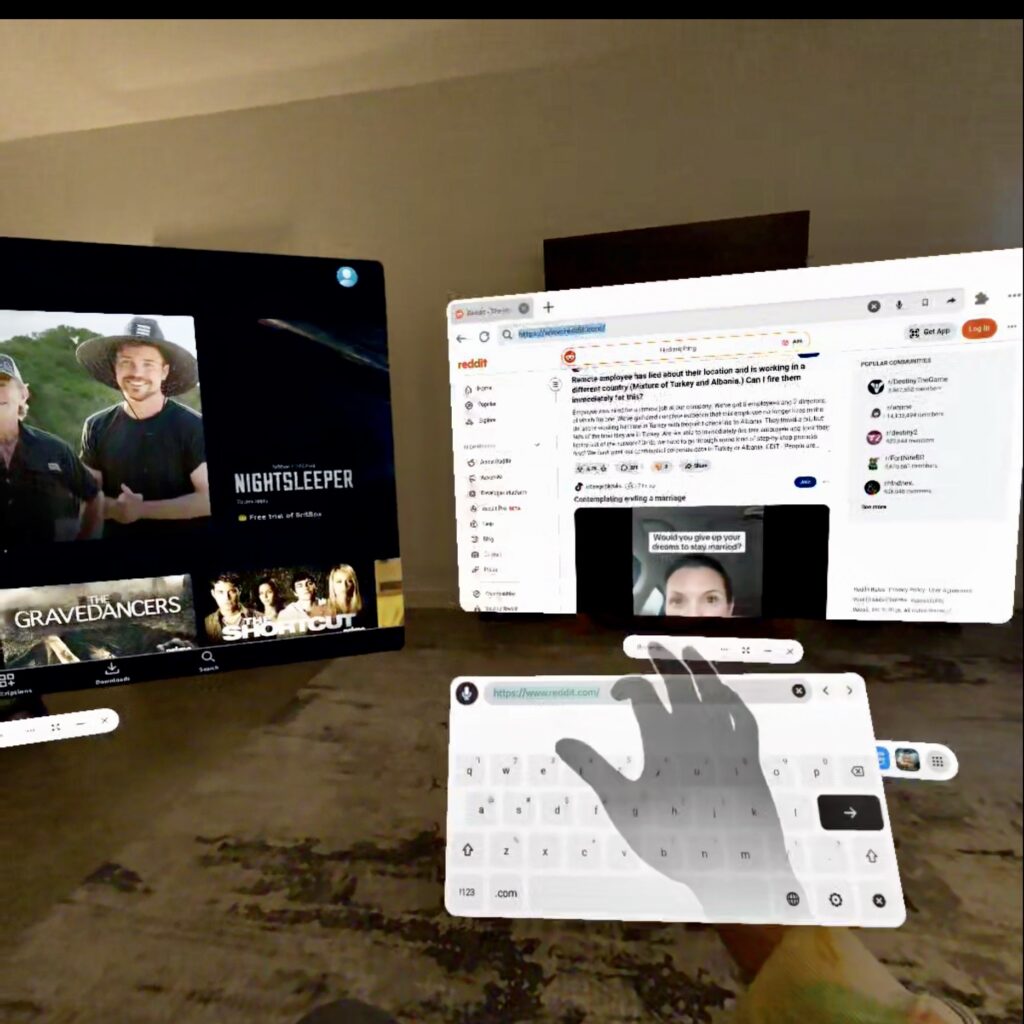
Caption: I’ll never watch a movie another way. Looking forward to the Super Bowl on a 180″ screen.
What struck me most is how naturally this fits into a broader technology arc.
We talk a lot about AI models, infrastructure, and software layers. Wearables often get mentioned last, if at all. But after spending real time inside a spatial interface, it becomes obvious that wearables are not an accessory layer. They are a translation layer.
They turn intelligence into experience.
That idea will matter more than we think.
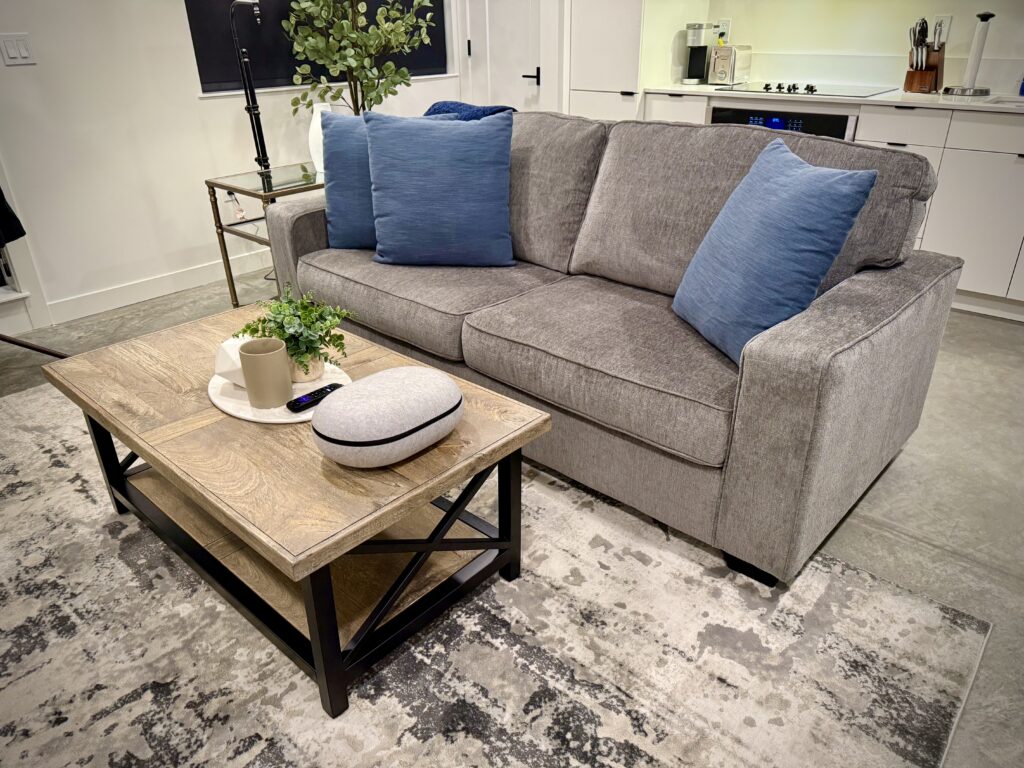
The Meta Quest 3 did not feel like a toy. It felt like an early tool. One that is already good enough to change how you think, but clearly not finished.
That is the sweet spot.
I recorded initial reactions, gameplay moments, and the physical space itself. Not for polish. For documentation. These are artifacts from learning in public, from stepping into the medium instead of theorizing about it. I’ll be sharing those soon.
I am glad I explored this at home, on my own terms, with no demo script and no audience expectations.
This is how new platforms should be explored.
Quietly.
Curiously.
With your whole body.
| Item | MSRP |
|---|---|
| Meta Quest 3 | $499.99 |
| Elite Strap with battery | $129.99 |
| Carrying Case | $69.99 |
| Geek Squad Warranty (2 years) | $69.99 |
| Resident Evil 4 | $29.99 |
| PGA Golf+ | $29.99 |
| Walk the Plank | $7.99 |
| Total including tax | $896.59 |
…Having a panic attack in the lab –priceless!
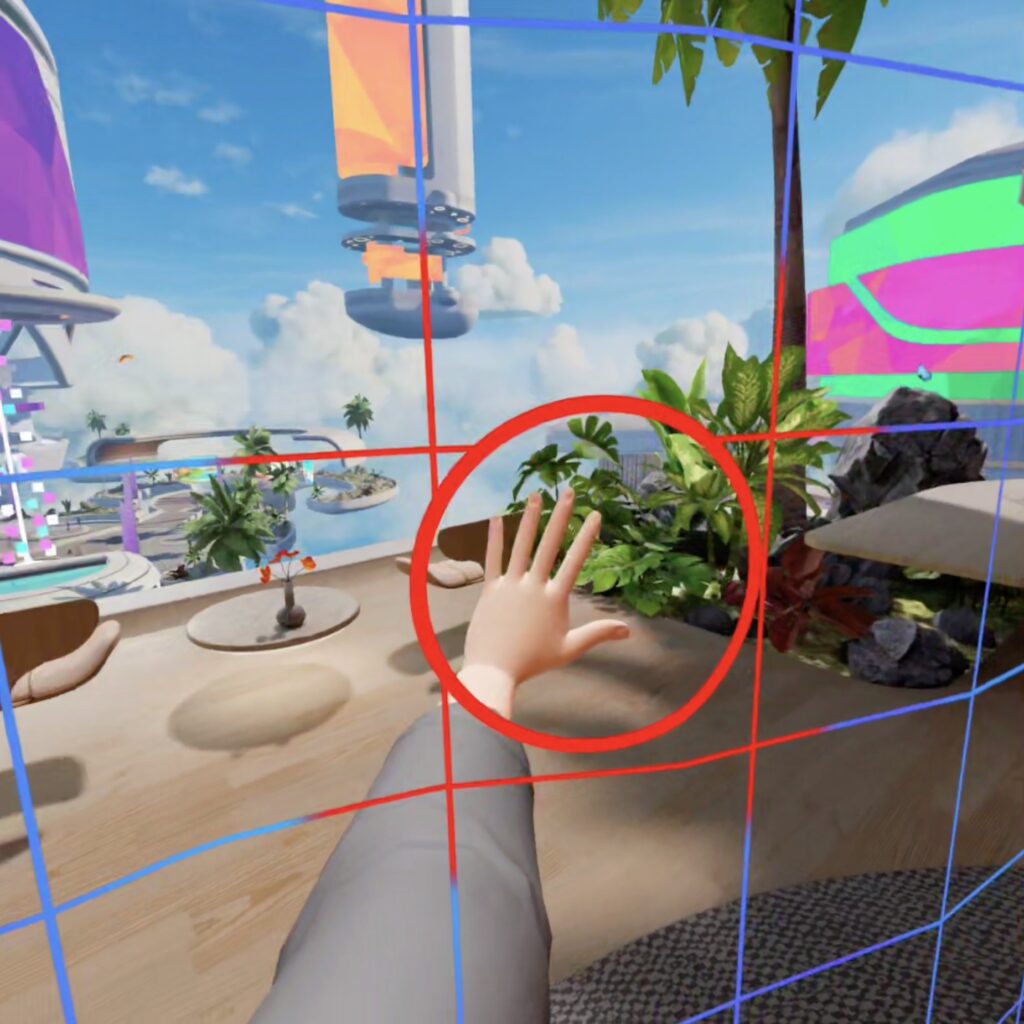
Caption: The geofencing makes me wonder…. could we provide haptic feedback for the blind?!
When building products for other people, remember that it’s their vision, not yours. You’re simply providing the lens that brings it into focus.


Loved reading your field report. It really highlights the power of presence. We need more experiences that demand our full attention and allow for that kind of total immersion. The idea of a full-body experience is so cool—thanks for sharing