Address
Pittsburgh, PA
Work Hours
Monday to Thursday: 9AM - 5PM ET
Friday: 9AM -1PM

Address
Pittsburgh, PA
Work Hours
Monday to Thursday: 9AM - 5PM ET
Friday: 9AM -1PM
Days
Budget
Features
Monthly maintenance
Most restaurants struggle with outdated point-of-sale systems that are expensive, fragmented, and not built with staff experience in mind.
Managers juggle multiple platforms for reservations, orders, reporting, and payments — while staff waste time navigating clunky workflows.
We designed and launched Orderly — a single, scalable platform for modern restaurant operations.
Key features included:
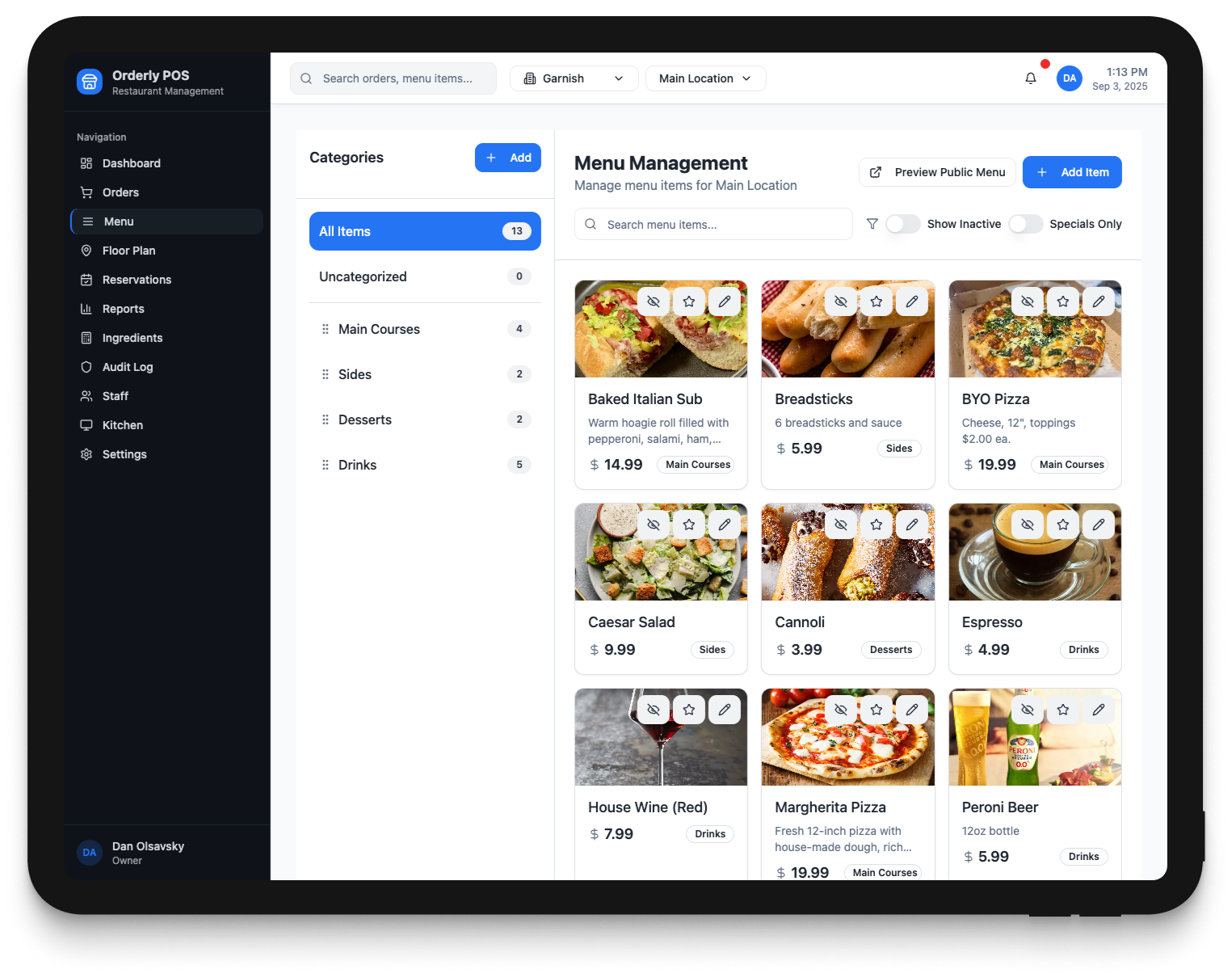
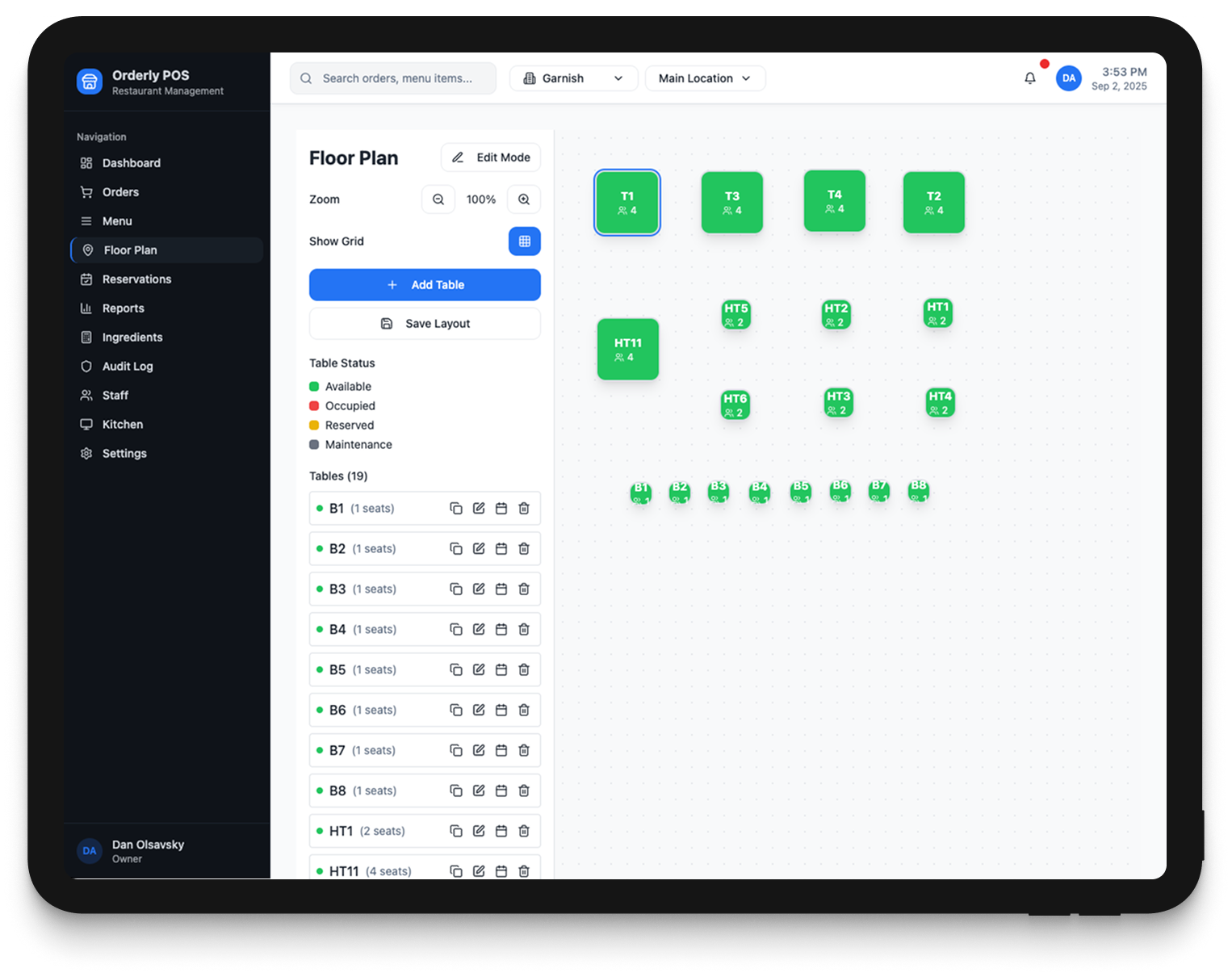
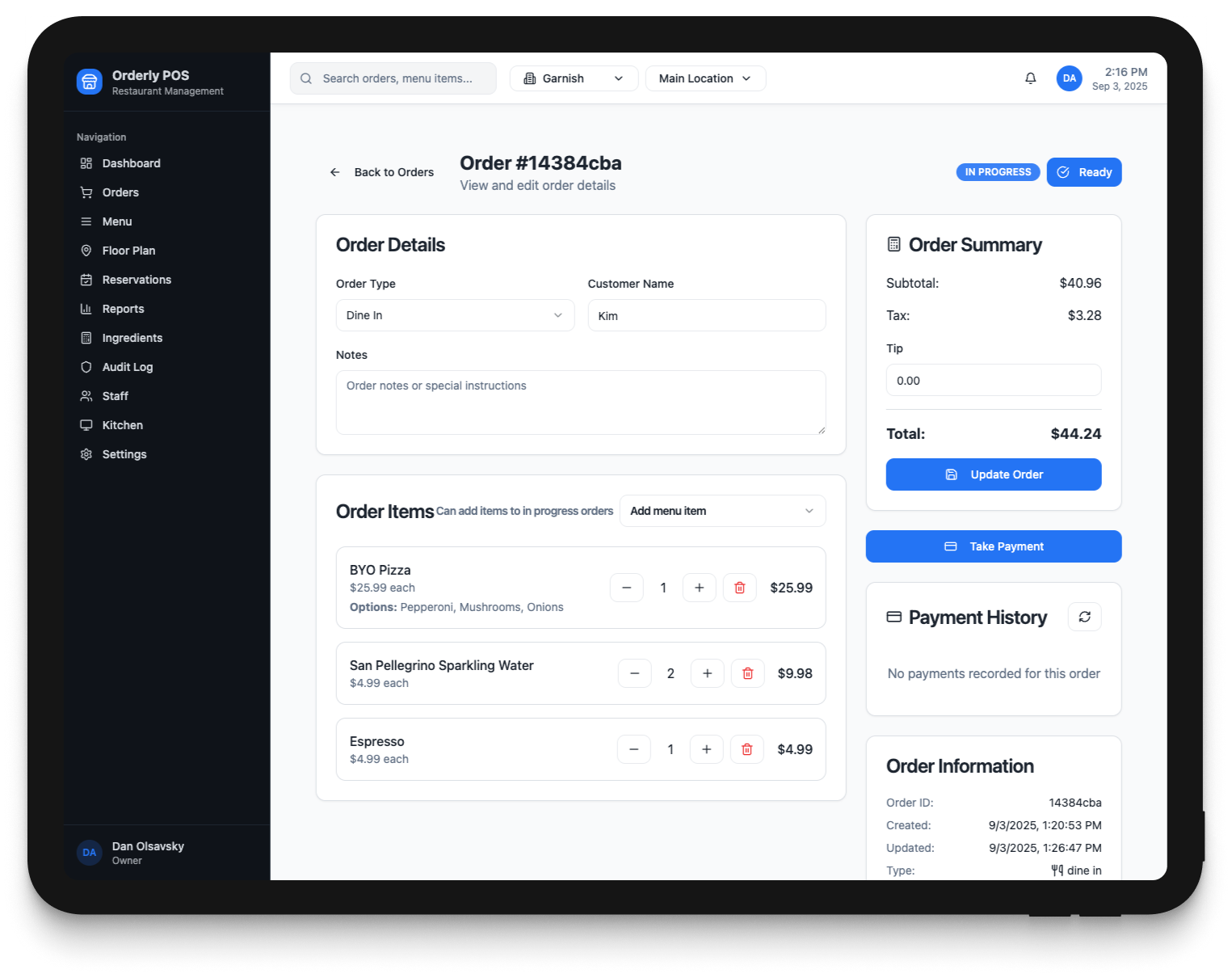

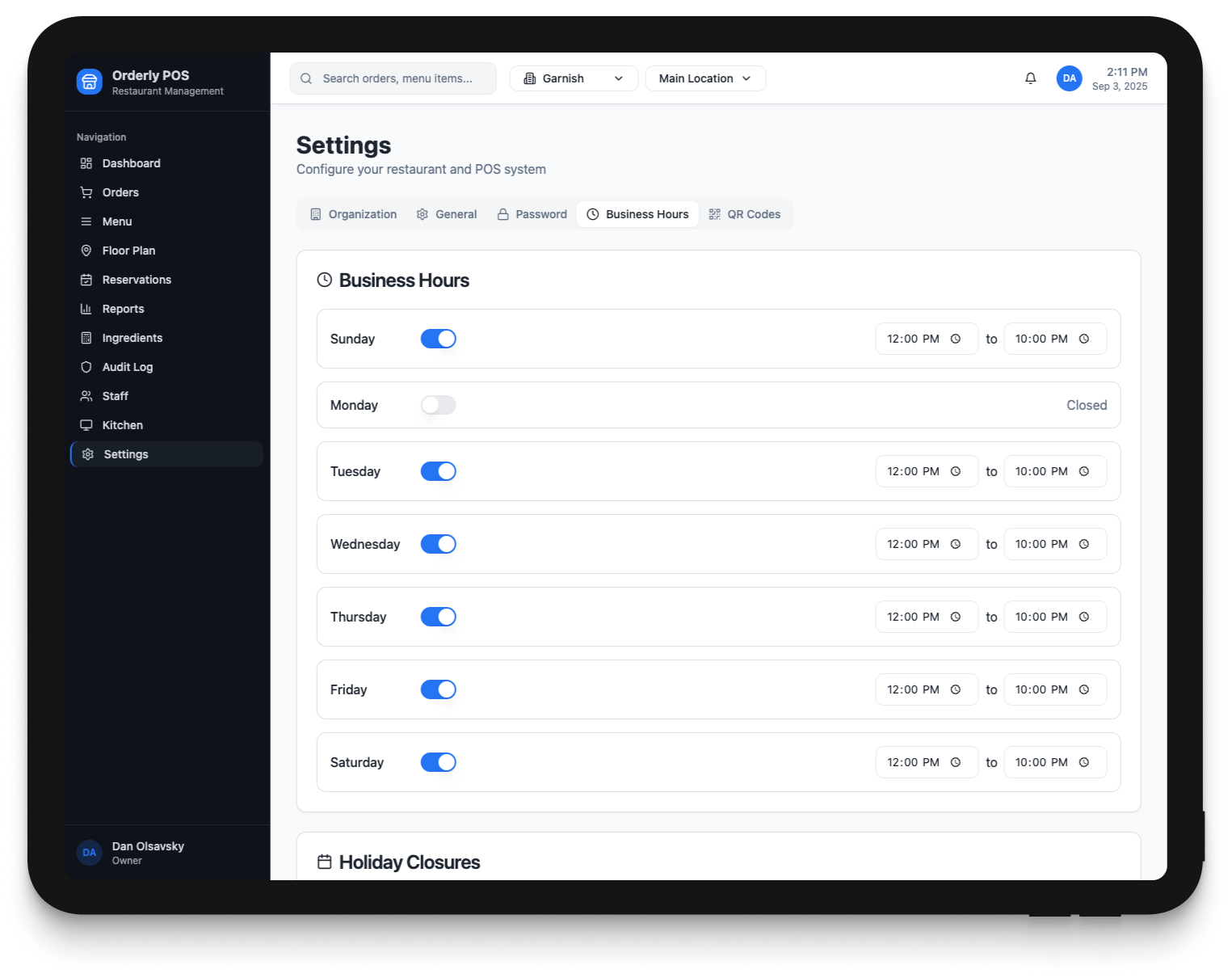
We run a focused 5-day cycle — discover, prototype, test, build, and launch — powered by AI and grounded in user feedback to deliver MVPs fast.
Day 1 – Discovery
We interviewed the client and staff using Google Meet (notes captured by Gemini), synthesized needs into a Product Requirements Doc (PRD), wrote a PRFAQ, set OKRs, and outlined the prototype in Dotted.
Day 2 – Prototype + Internal Test
We created a prototype in Lovable and ran it through internal stakeholder testing. Immediate edits were made based on feedback.
Day 3 – User Test + Edits
A user panel tested the prototype. We analyzed results in UserBrain and iterated quickly to align with staff needs.
Day 4 – Build + Harden
The validated prototype was built in Lovable with Supabase handling backend and security. We ran QA to validate performance.
Day 5 – UAT + Launch
The MVP went through user acceptance testing, then launched into a production environment. We also set OKRs in Tability to track adoption.
Week 2 – Week 4
We retested with a user panel, added post-launch features, tested again, and reviewed OKRs and planned pivots.
Delivered a production-ready MVP in just 5 days, cutting typical development cycles (3–6 months) by more than 80%.
Demonstrated scalable delivery by completing 16 features in parallel with no increase in turnaround time.
In a conservative scenario, the business model delivers a CAGR of ~56% over 3 years. By implementing Orderly, our clients reduce software costs by 40% vs the competition.
Touch-friendly workflows and role-based dashboards improved daily task completion speed by ~50% in user testing sessions.